What We Do

Services

Everything we pour, patch and finish, from driveways to retaining walls.

HomeServices

Everything we take on

Every job below is one we do ourselves across Redwood City.

Concrete Driveways

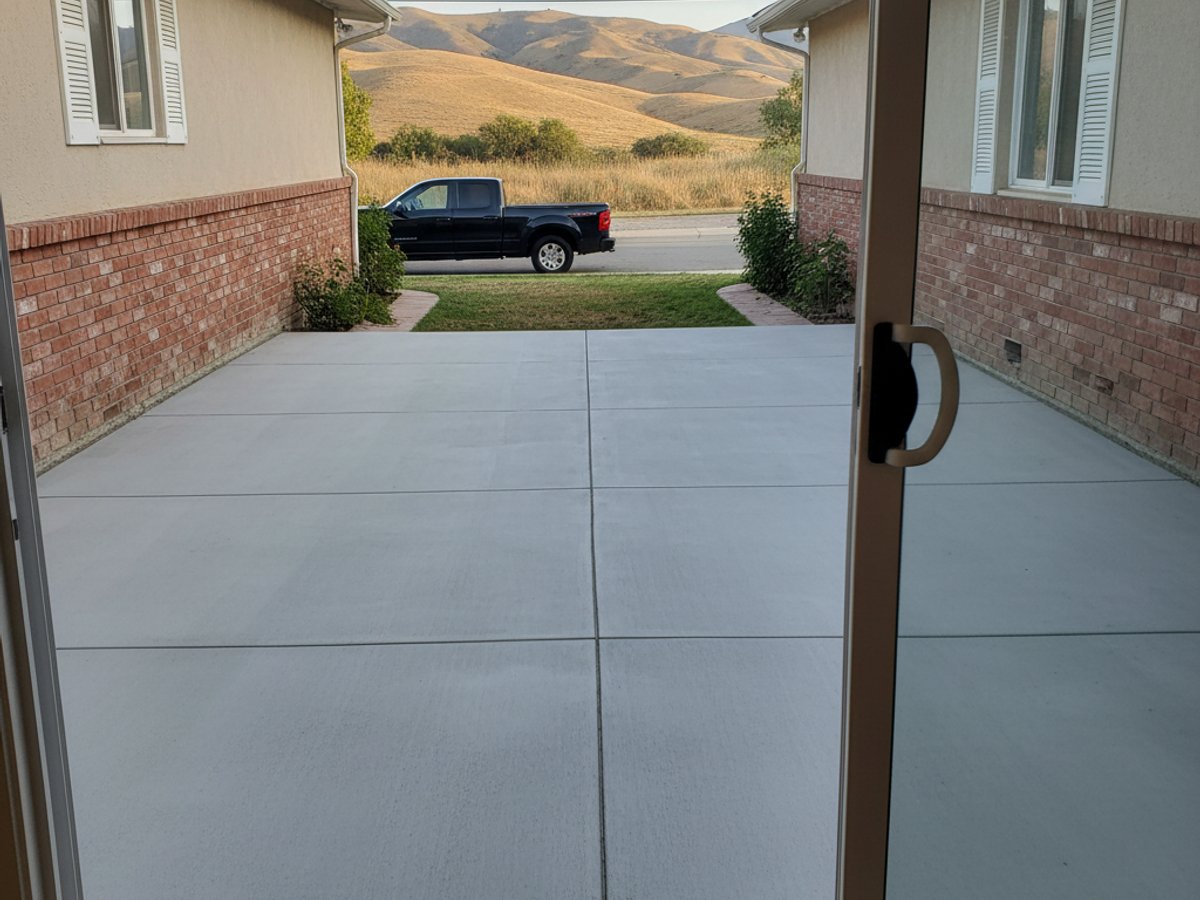
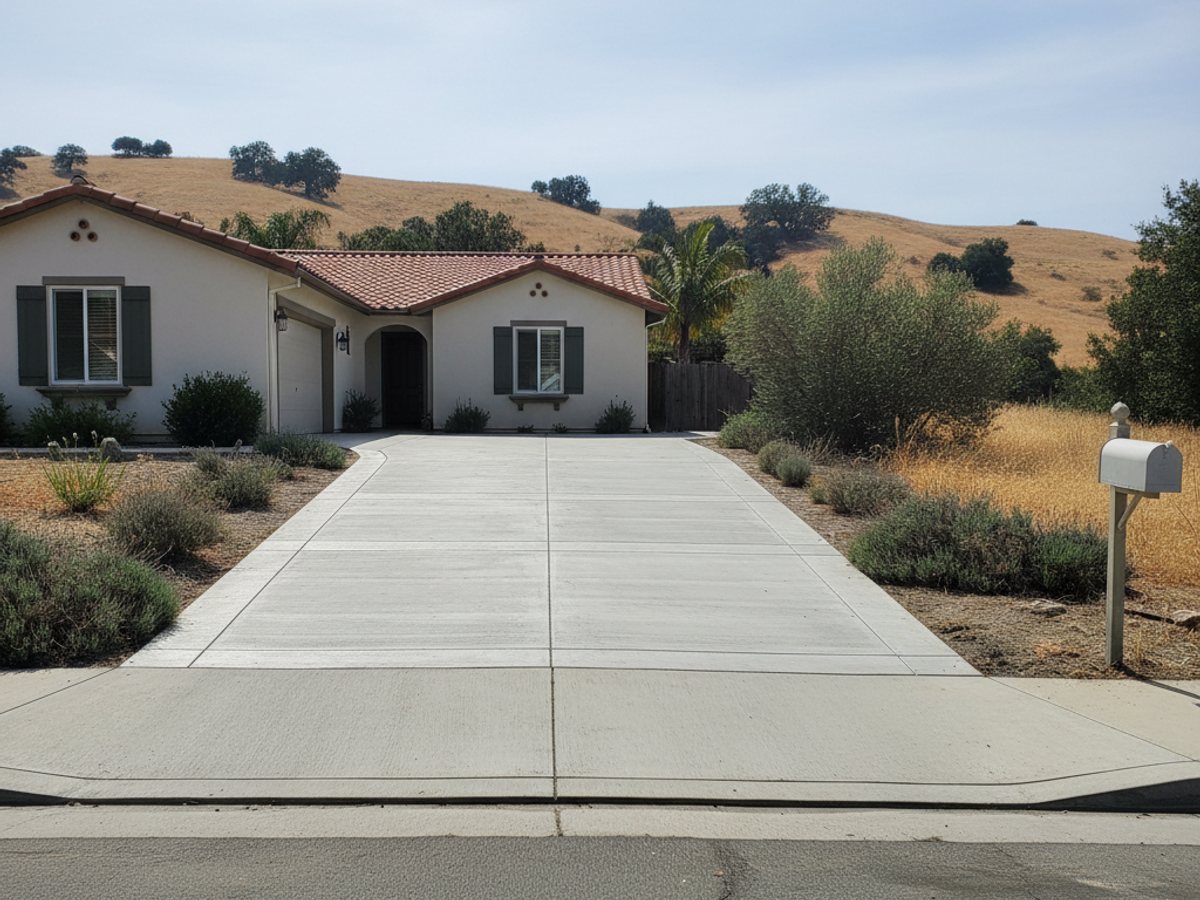
A driveway takes the weight of your car every day, so we run rebar through it instead of wire mesh and pour it at least 4 inches thick, more if you're parking anything heavier. We slope it away from the garage so water doesn't pool at the door.

Concrete Patios

We shape and pour patios with a slight pitch away from the house, usually a quarter inch per foot, so water drains toward the yard instead of the foundation. Finish options range from a plain broom finish to something closer to stone.

Stamped Concrete

Stamped concrete gets you the look of flagstone, brick or slate without the joints where weeds and ants get in. We color and seal it while it's still workable, then stamp the pattern before it sets up, and reseal every few years to keep the color from fading.

Concrete Repair

Cracks, trip hazards at a joint, a corner that's spalled off, a section that's sunk after the soil under it settled, we deal with all of it. Sometimes that means grinding and patching, sometimes it means cutting out the bad section and pouring new concrete tied into the old with rebar or dowels.

Concrete Walkways

A walkway that heaves in winter and settles in summer usually didn't have enough gravel base under it to start with. We dig it out, compact a proper base, and set expansion joints against the house and driveway so the new concrete isn't fighting anything it's attached to.

Concrete Slabs & Foundations

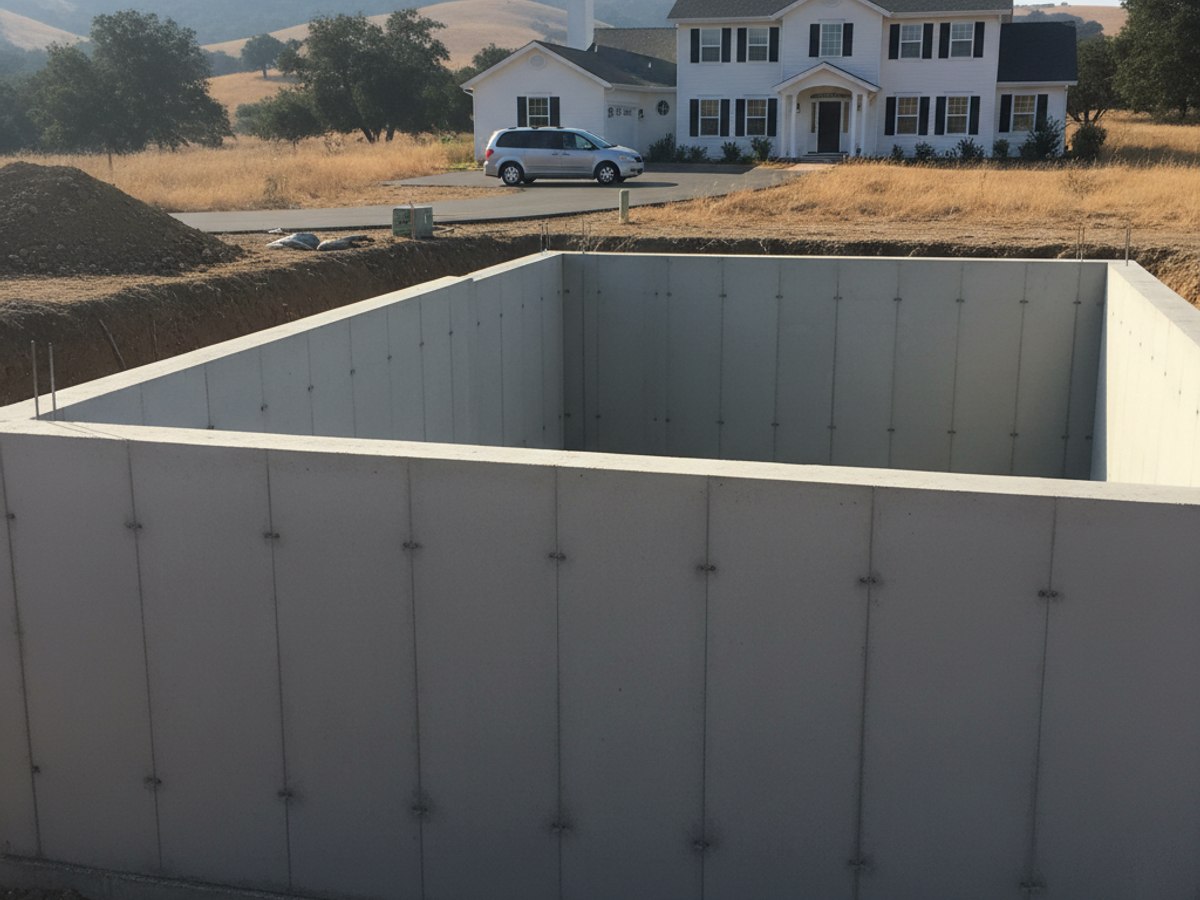
Sheds, workshops, hot tub pads, small additions, all of it starts with a slab poured to the load it's actually going to carry. We check the soil, size the base rock and rebar to the job, and give you a realistic cure time before you put weight on it.

Concrete Steps

Front steps and stair landings poured level, with enough slope on the tread that water runs off instead of pooling. We broom or float the surface so it's got grip in wet weather, not a slick trowel finish.

Concrete Retaining Walls

Hillside lots around here move, and a retaining wall built without drainage behind it will lean or crack within a few years. We install drain rock and a perforated pipe behind the wall before we backfill, so water doesn't build up pressure against it.

Concrete Sidewalk Repair

A raised or cracked section of sidewalk in front of your house is a liability the city will eventually flag, and it's usually cheaper to fix it yourself than wait for a notice. We cut out the panel, grade the base and pour a new section that matches the grade of the sidewalk next to it.

Decorative Concrete Overlays

If your existing slab is sound but the finish looks tired, an overlay can change the surface without tearing out the concrete underneath. We resurface with a thin polymer-modified layer, then stamp, stain or texture it to whatever finish you're after.

How It Works

Four steps, and no surprises in any of them.

01

We come and look

You tell us what you want doing, we look at what is actually there, and we ask the awkward questions early.

02

You get a price

In writing, itemised, free. If something might add cost later we flag it now rather than at the end.

03

We do the work

Same crew throughout. We cover your floors, keep the dust down and tidy up before we leave each day.

04

We walk it with you

You point out anything you are not happy with and we fix it before the invoice, not after.

Where We Work

All of this, across Redwood City, CA

Concrete work scheduled throughout these Peninsula cities and towns.

Redwood City, CA
San Jose, CA
San Francisco, CA
Fremont, CA
Sunnyvale, CA
Santa Clara, CA
Daly City, CA
San Mateo, CA
Mountain View, CA
Palo Alto, CA
Menlo Park, CA
Common Questions

Things worth asking

Questions that come up once a concrete project is underway.

Do I need a permit for a new driveway or patio?
Most cities require a permit for a new driveway apron where it meets the public street, and some require one for large patio slabs as well. Permit requirements vary by city and lot size, so it gets checked and pulled as part of the job rather than left to the homeowner.
How long does a typical concrete pour take to complete?
Forming and prep usually take one to two days, the pour itself is done in a single day, and the concrete needs about 24 to 48 hours before foot traffic and around 7 days before a car drives on it. Full cure to final strength takes about 28 days, though the surface is usable well before then.
Can concrete work be done on a tight budget?
Concrete costs scale with square footage, thickness and finish, so a smaller footprint or a plain broom finish instead of stamped concrete brings the price down without cutting corners on the base or reinforcement. What shouldn't be cut to save money is the gravel base and rebar, since that's what keeps the slab from cracking early.
Do you guarantee your concrete work?
Workmanship is guaranteed against cracking or settling caused by improper installation, though concrete does develop hairline shrinkage cracks as it cures, which is normal and not a defect. Coverage details and time period are stated in the written estimate.
Who do I talk to once the job is underway?
Whoever runs the walkthrough and provides the estimate stays the point of contact through the job, so questions during the pour go to the same person rather than a rotating dispatcher. That's easier on a multi-day job where forms, pour and finish happen on different days.
What materials do you use for concrete pours?
Standard residential mix is typically 3,000 to 4,000 PSI concrete, reinforced with rebar for driveways and anything carrying vehicle weight, or fiber mesh for lighter-use patios and walkways. Sealers, stains and stamping tools are used for decorative finishes on top of that base mix.
Can I stay home while concrete work is being done?
Living in the house during a driveway or patio pour is normal, though the work area itself needs to stay clear of foot traffic and pets for a day or two after the pour. Access to a garage or front door may be blocked temporarily if that's where the new concrete goes.
What should I do to prepare before the crew arrives?
Moving cars, potted plants, patio furniture and anything stored near the work area clears the way for equipment and the concrete truck. Sprinkler lines and buried utilities near the dig area should be pointed out ahead of time so they aren't cut during excavation.
What if you find a problem once the old concrete is removed?
Soft soil, an old buried slab, tree roots or a broken drain line sometimes show up once the existing concrete is out, and that changes the scope before the new pour goes in. Any change like that is priced and approved before work continues, not added to the bill afterward.
How do I take care of new concrete after it's poured?
New concrete should stay free of foot traffic for about 24 to 48 hours and free of vehicles for about a week while it cures. Sealer reapplication every two to three years, and prompt patching of any new crack before water gets into it, keeps a slab looking good for decades.

Not sure what you need?

Describe the problem and we will tell you what it probably is. No obligation.
Call (650) 629-7195